
Long-term healthy living is not achieved through short-term diets or extreme fitness routines. It is built through small, consistent daily habits that support the body and mind over time. These habits influence physical health, mental clarity, emotional balance, and disease prevention. When practiced regularly, they create a sustainable lifestyle that promotes longevity, energy, and overall well-being.


Healthy living and preventive wellness are high-CPC topics across healthcare, insurance, nutrition, fitness, and lifestyle industries. As people shift focus from treating illness to maintaining health, interest in practical daily habits continues to grow.
The Power of Daily Consistency
Consistency is the foundation of long-term health. Small actions repeated daily have a greater impact than occasional intense efforts. Daily habits influence metabolism, immune strength, hormonal balance, and mental resilience. Over time, these habits shape the body’s internal environment and determine overall health outcomes.
Healthy living is not about perfection but about creating routines that are realistic, repeatable, and aligned with individual needs.
Prioritizing Quality Sleep
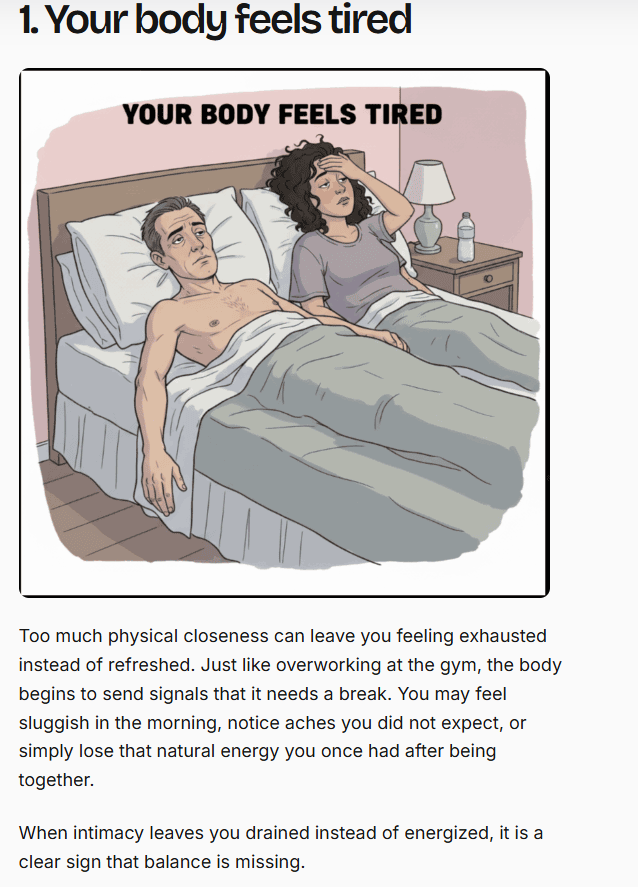
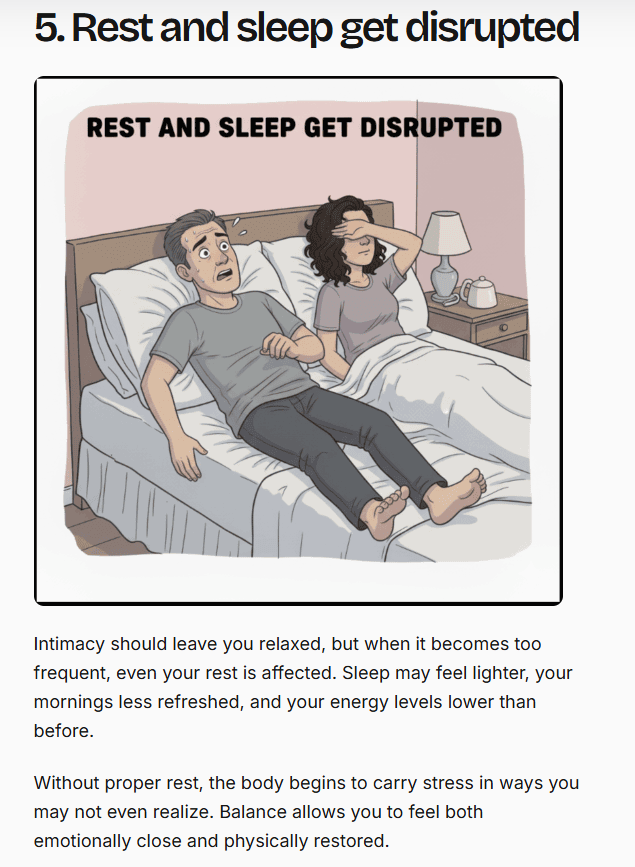
Sleep is one of the most important daily habits for long-term health. During sleep, the body repairs tissues, balances hormones, and consolidates memory. Poor sleep disrupts metabolism, weakens immunity, and increases the risk of chronic diseases.
Maintaining consistent sleep and wake times, creating a calm bedtime routine, and ensuring adequate sleep duration support physical and mental recovery.
Nourishing the Body With Balanced Nutrition
Daily nutrition habits strongly influence long-term health. Consuming balanced meals that include whole foods supports digestion, energy levels, and nutrient absorption. Regular intake of fruits, vegetables, lean proteins, healthy fats, and whole grains provides the body with essential vitamins and minerals.
Avoiding excessive processed foods, refined sugars, and unhealthy fats reduces inflammation and supports metabolic balance.
Staying Hydrated Throughout the Day
Hydration is essential for nearly every bodily function, including digestion, circulation, and temperature regulation. Chronic dehydration contributes to fatigue, headaches, and reduced cognitive performance.
Developing the habit of drinking water consistently throughout the day supports energy levels and overall cellular health.
Daily Movement and Physical Activity
Movement is a cornerstone of healthy living. Regular physical activity improves cardiovascular health, strengthens muscles and bones, and enhances mood. Daily movement does not require intense workouts; activities such as walking, stretching, or light exercise are highly effective when practiced consistently.
Staying active also supports joint mobility, balance, and long-term independence.
Managing Stress Effectively
Chronic stress negatively impacts both physical and mental health. It increases inflammation, disrupts hormone balance, and weakens the immune system. Developing daily stress-management habits protects long-term well-being.
Mindfulness, deep breathing, meditation, or short breaks during the day help regulate stress and preserve emotional balance.
Supporting Mental and Emotional Health
Mental well-being is inseparable from physical health. Daily habits such as gratitude practice, positive self-talk, and meaningful social connections enhance emotional resilience.
Engaging in activities that bring joy and purpose supports long-term mental health and reduces the risk of anxiety and depression.
Maintaining Healthy Digestion
Digestive health affects nutrient absorption, immunity, and energy levels. Eating mindfully, chewing thoroughly, and maintaining regular meal times support digestive efficiency.
Avoiding overeating and recognizing food sensitivities help prevent long-term digestive issues and inflammation.
Limiting Harmful Substances
Daily exposure to harmful substances such as tobacco, excessive alcohol, and environmental toxins undermines long-term health. Reducing or eliminating these exposures supports organ function and lowers disease risk.
Choosing natural products and maintaining clean living environments further supports wellness.
Practicing Good Posture and Body Awareness
Posture and body awareness influence musculoskeletal health and energy levels. Poor posture contributes to pain, fatigue, and reduced mobility over time.
Developing awareness of posture during daily activities supports spinal health and prevents chronic discomfort.
Building Healthy Social Connections
Strong social connections contribute to emotional well-being and longevity. Daily interactions with supportive individuals reduce stress and promote positive mental health.
Maintaining meaningful relationships supports overall life satisfaction and resilience.
Regular Health Monitoring
Preventive health habits include paying attention to the body’s signals and seeking early care when needed. Regular health check-ups, screenings, and self-awareness support early detection and prevention.
Proactive health management reduces the likelihood of serious illness later in life.
Creating a Sustainable Routine
Healthy living habits must fit into daily life realistically. Overly restrictive or demanding routines are difficult to maintain. Building flexible, enjoyable habits ensures long-term adherence.
Sustainability is key to making healthy living a lifelong practice rather than a temporary effort.
Long-Term Benefits of Healthy Daily Habits
Consistently practicing healthy daily habits leads to improved energy, reduced disease risk, better mental clarity, and enhanced quality of life. Over time, these habits create a strong foundation for aging gracefully and maintaining independence.
Long-term health is the result of everyday choices rather than drastic changes.
Final Thoughts
Daily habits supporting long-term healthy living are simple but powerful. Quality sleep, balanced nutrition, hydration, movement, stress management, and emotional well-being form the foundation of a healthy lifestyle.
By committing to small, consistent actions each day, individuals can protect their health, enhance vitality, and enjoy a higher quality of life for years to come. Healthy living is a journey built one day at a time.